
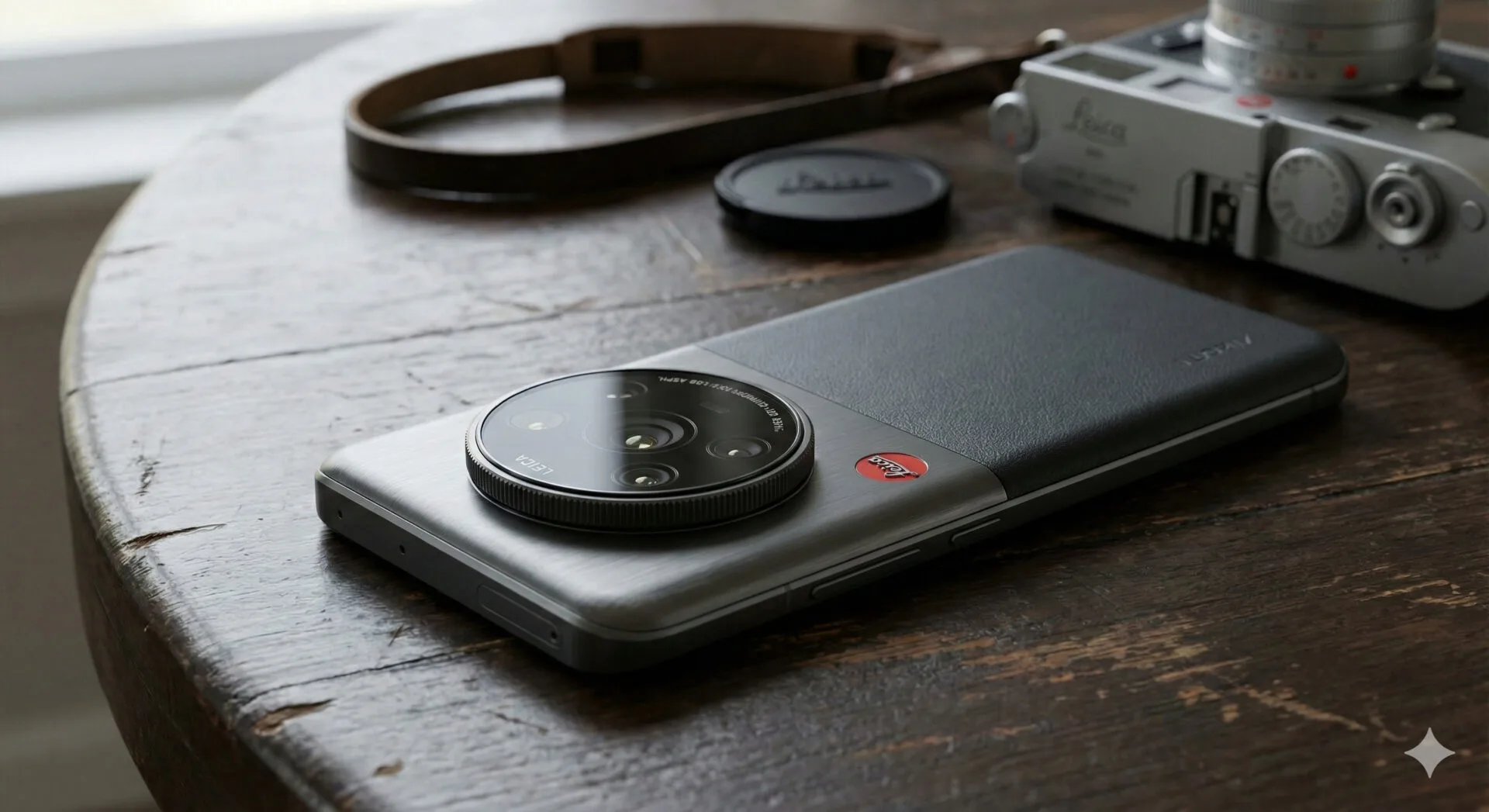

Xiaomi 17 Ultra Leica Edition: A Manual Zoom Ring Comes to Smartphones
Xiaomi’s latest flagship, the 17 Ultra Leica Edition, is pushing smartphone photography into more camera-like territory with a feature you’d normally expect on a dedicated lens: a manual zoom ring wrapped around the camera module. Combined with a 1‑inch main sensor, a 200MP periscope telephoto and top‑tier silicon, this is one of the most ambitious camera phones of the year.
The device arrives alongside the standard Xiaomi 17 Ultra, but the Leica Edition layers on distinctive design cues, extra camera controls and Leica‑branded software tweaks that target serious mobile photographers.
Design and the New Manual Zoom Ring
The standout feature on the Xiaomi 17 Ultra Leica Edition is the mechanical zoom ring encircling the rear camera island — a rarity in modern smartphones where zoom is almost exclusively controlled via on‑screen sliders and pinch gestures.
Xiaomi says the ring’s rotation not only adjusts zoom, but can also wake and launch the camera automatically when you twist it, turning the phone into something that feels much closer to a compact or mirrorless camera in hand.
According to the company, the mechanism can detect displacements as small as 0.03mm, implying fine‑grained control over zoom steps and potentially smoother transitions while framing shots or recording video. Beyond zooming, the ring is reprogrammable for other functions:
- Exposure compensation
- Manual focus adjustments
- Potential custom controls via future software updates
For users who already shoot in manual or pro modes, having a tactile, ring‑based control could be a meaningful upgrade over tapping tiny on‑screen sliders.
Leica Edition Styling and Extras
The 17 Ultra Leica Edition leans hard into the Leica camera identity. Xiaomi has collaborated with Leica on several devices, but this model doubles down on visual and functional branding:
- Two‑tone finish that echoes classic Leica camera bodies
- The iconic red Leica dot on the front as a status symbol
- Textured edges to improve grip, reminiscent of knurled camera dials
- Leica film simulations, including a Monochrome profile dubbed Monopan 50 for black‑and‑white photography
The phone also introduces a “Leica Moments” 3:2 aspect ratio, matching the traditional frame size of many digital and film cameras. That will appeal to photographers who prefer composing in 3:2 rather than the more phone‑typical 4:3 or 16:9.
The Leica Edition ships in a custom presentation box that reinforces its camera‑centric identity, with:
- A lens cap designed for the camera module
- A lanyard for easier carrying
- A magnetic case
- A Leica‑branded cleaning cloth
These extras won’t change performance, but they do position the device more as a premium photo tool than just another flagship phone.
Camera System: 1‑Inch Main and 200MP Periscope
Underneath the Leica styling, the camera hardware is formidable even by 2025 flagship standards.
Main Camera
The primary sensor is a 1‑inch‑type 50MP unit paired with an f/1.67 aperture lens. A 1‑inch sensor is significantly larger than what’s found in most phones, enabling:
- Better low‑light performance with cleaner shadows
- Shallower depth of field for more natural background blur
- Improved dynamic range for high‑contrast scenes
Combined with computational photography pipelines in Xiaomi’s MIUI and Leica’s color tuning, the main camera is clearly positioned as the go‑to shooter for enthusiasts.
200MP Periscope Telephoto
The second headline feature is a 200MP periscope telephoto camera using a 1/1.4‑inch sensor. While Xiaomi hasn’t disclosed the exact optical zoom factor in this context, periscope designs typically offer 5x or greater optical magnification.
The high resolution gives the system flexibility to:
- Deliver sharp optical‑range zoom at its native focal length
- Crop into the 200MP frame for loss‑reduced hybrid zoom at higher magnifications
For mobile photography, this can mean better detail retention on distant subjects like wildlife, cityscapes or stage performances, where standard 2–3x telephoto modules often fall short.
Ultrawide and Selfie Cameras
Rounding out the camera array:
- A 50MP ultrawide camera covers expansive landscapes, interiors and group shots.
- A 50MP selfie camera sits on the front, matching the rear setup’s pixel count and giving social content creators more flexibility for high‑resolution selfies and video calls.
With four 50MP+ sensors (one of them 200MP), Xiaomi is clearly aiming to remove the usual compromise between main and auxiliary cameras.
Tech Specs
Beyond the camera system, the Xiaomi 17 Ultra and 17 Ultra Leica Edition are fully loaded flagships.
Processor, RAM and Storage
Both models are powered by the Snapdragon 8 Elite Gen 5 SoC, Qualcomm’s latest high‑end mobile platform. It’s paired with:
- Up to 16GB LPDDR5X RAM
- Up to 1TB UFS 4.1 storage
These specs put the 17 Ultra line in direct competition with the likes of Samsung’s Galaxy 25 series and Google’s Pixel 10 range at the top of the Android market.
Display
The front is dominated by a 6.9‑inch AMOLED display with:
- 120Hz refresh rate for smoother scrolling, gaming and animation
- Peak brightness up to 3,500 nits, which should aid visibility in direct sunlight and support high‑impact HDR playback
At this brightness level, the 17 Ultra is among the brightest smartphone displays currently available, which is especially useful when composing photos outdoors.
Battery and Charging
Powering the device is a 6,800mAh silicon‑carbon battery, larger than what many rivals offer. Silicon‑carbon chemistry is designed to improve energy density and longevity compared with traditional lithium‑ion packs.
Charging options include:
- 90W wired charging
- 50W wireless charging
This combination should deliver fast top‑ups even on the go, while the large capacity aims to support extended camera sessions, gaming and 5G use without constant recharging.
Leica Edition Extras: Security and Connectivity
The Leica Edition isn’t just cosmetic. Xiaomi has added a special encryption chip for enhanced data security, a feature increasingly important as smartphones become primary computing devices.
There’s also dual‑satellite connection support, which can provide extra connectivity resilience in remote or low‑signal environments, echoing a broader industry trend toward satellite‑enabled emergency and messaging features.
Manual Zoom Ring: Novelty or New Standard?
The manual zoom ring is the most experimental feature here, and it raises a question: is this a niche gimmick, or a sign of where camera phones are headed?
On one hand, a physical zoom control:
- Offers tactile precision that’s hard to match with touchscreens
- Makes it easier to adjust framing without obscuring the viewfinder with your fingers
- Can reduce reliance on on‑screen UI elements, especially in bright light
On the other hand, it introduces mechanical complexity in a device that must remain slim, water‑resistant and durable. Long‑term reliability of such a fine‑tolerance mechanism (0.03mm displacement detection) will be something reviewers and early adopters will watch closely.
Still, it fits into a broader pattern of Xiaomi experimenting with camera‑centric hardware. The company recently detailed its in‑house XRING 01 processor for imaging and AI workloads; as covered in Xiaomi Unveils XRING 01 Chip – A Game-Changer in Mobile Processing, that chip underscores Xiaomi’s ambition to control more of the camera stack, from silicon to optics.
Pricing and Positioning
Pricing for the new flagships positions them firmly in the ultra‑premium tier, even in Xiaomi’s home market:
- Xiaomi 17 Ultra Leica Edition starts at CNY 7,999 (about $1,140) with 16GB RAM and 512GB storage.
- The standard Xiaomi 17 Ultra starts at CNY 6,999 (about $995) with the same memory configuration.
These figures are “right up there” with the latest Pixel 10 and Galaxy 25 models, signaling that Xiaomi is no longer content to compete on value alone. Instead, the company is staking out a place among the most expensive Android flagships, using the camera system and Leica collaboration as key differentiators.
How It Compares to Other Flagships
In the current flagship landscape:
- Google’s Pixel 10 emphasizes computational photography, AI tools and clean software.
- Samsung’s Galaxy 25 line leans on display tech, ecosystem integration and S‑Pen support in some variants.
- Apple’s iPhone lineup (not directly referenced in Xiaomi’s pricing, but a perennial benchmark) focuses on tight hardware‑software integration and video quality.
The Xiaomi 17 Ultra Leica Edition attempts to carve out a niche by:
- Combining large‑sensor hardware with Leica color science
- Adding physical controls (zoom ring) uncommon in phones
- Offering aggressive specs in RAM, storage, display brightness and battery
For users who primarily care about photography and are willing to pay for it, this combination may be more compelling than generic spec bumps.
Who Is the 17 Ultra Leica Edition For?
The target audience for the Xiaomi 17 Ultra Leica Edition seems clear:
- Photography enthusiasts who want more camera‑like handling without carrying a separate device
- Content creators who value high‑resolution sensors, versatile focal lengths and bright displays
- Tech early adopters interested in novel hardware features like the manual zoom ring and dual‑satellite connectivity
For more mainstream buyers, the standard Xiaomi 17 Ultra may offer most of the performance and camera quality without the Leica branding and mechanical ring, at a slightly lower price.
Outlook: A Step Toward Camera‑First Phones
The Xiaomi 17 Ultra Leica Edition is another sign that the smartphone market is fragmenting into more specialized flagships. Rather than just chasing benchmark scores, Xiaomi is investing in camera‑first hardware design, even when it means introducing moving parts and niche controls.
Whether the manual zoom ring becomes a trend or remains a one‑off experiment will depend on how users and reviewers respond. If it proves reliable and genuinely useful, other manufacturers may explore similar ideas — from dedicated aperture rings to customizable physical dials.
For now, Xiaomi’s latest Leica‑branded flagship stands out as one of the most camera‑centric phones of 2025, blending high‑end specs, bold pricing and a clear focus on photography that goes beyond software filters and AI tricks.
Source: Read Original Article



Leave a Reply